
How real estate investors legally pay near-zero tax
Depreciation, cost segregation, and 1031 exchanges explained in plain English.

Depreciation: residential rentals depreciate over 27.5 years; commercial over 39. That paper expense often turns a cash-flow-positive property into a tax loss — which can offset other passive income (or active income, if you qualify as a real estate professional).
Cost segregation: an engineering study reclassifies parts of the property (appliances, flooring, landscaping) into 5, 7, and 15-year buckets — accelerating tens of thousands of depreciation into year one, especially when paired with bonus depreciation.
1031 exchange: sell one investment property and roll the proceeds into another within 180 days — and defer all the capital gains tax. Done repeatedly across decades, this is how families build generational real estate portfolios with no tax friction.
Talk to a real enrolled agent
Tax strategy and IRS resolution is handled by our enrolled-agent firm, BWEA. Book a confidential call directly with their team.
BWEA — enrolled-agent firm · Free · No obligation
More on tax

Top 10 deductions self-employed founders miss every year
Home office, retirement, equipment — the deductions that quietly add up to thousands.

S-Corp vs. LLC: when the switch actually saves you money
The income threshold that makes electing S-Corp status worth the extra paperwork.
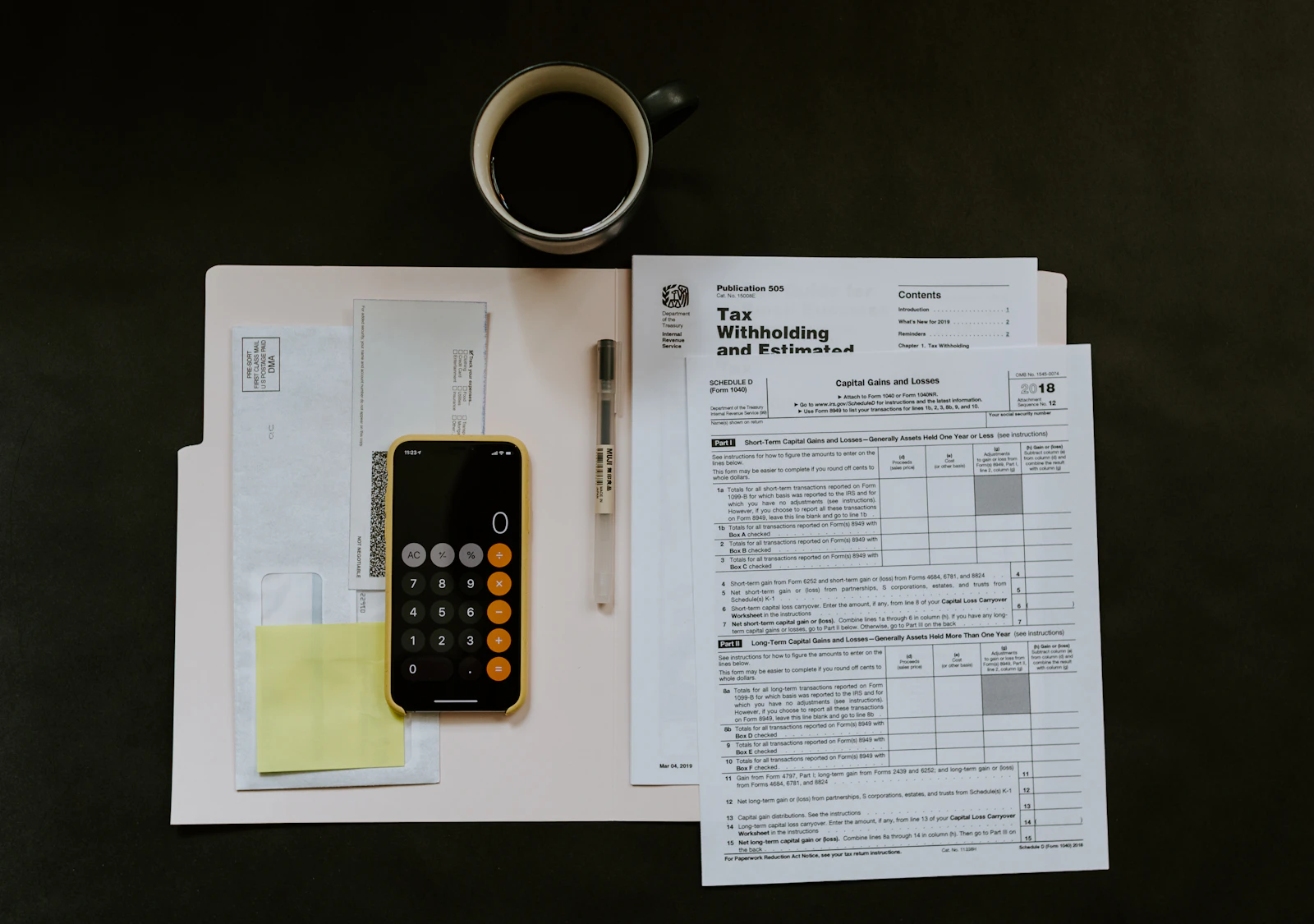
Quarterly estimated taxes — the safe-harbor rules that prevent IRS penalties
How to pay just enough to stay compliant without overpaying the IRS interest-free.

What to do if you owe back taxes to the IRS
Installment plans, offers in compromise, and the mistakes that make things worse.

Tax-loss harvesting: a year-end move that can save thousands
How to use losing positions to offset gains — and the wash-sale rule to avoid.